
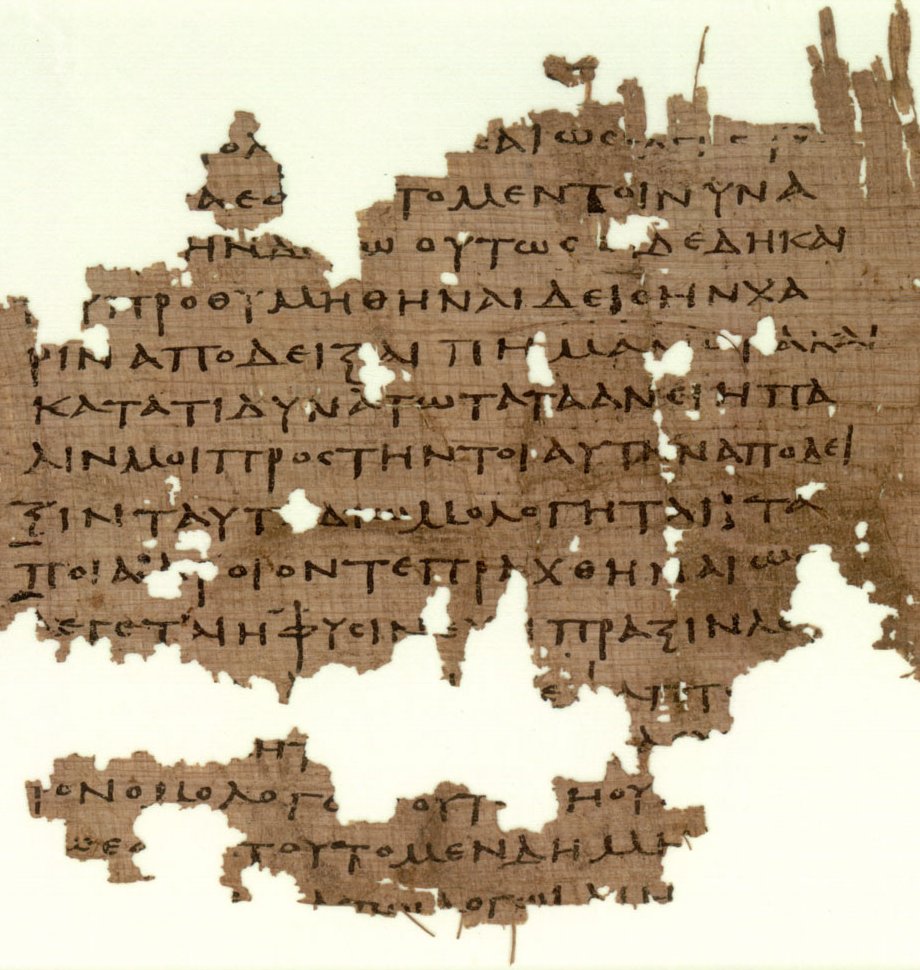

I am enjoying Yale’s 2026 DeVane Lectures, “Purposes of College Education,” taught by Yale College Dean Pericles Lewis. This year’s course considers the value of college education through the themes of character, community, citizenship, and conversation.
At the center of the course is one of the foundational works of Western thought: Plato’s Republic.
Returning to The Republic more than three decades after my undergraduate years at Yale has been especially rewarding. Plato’s questions about justice, education, leadership, citizenship, and the examined life remain remarkably relevant. Reading the text in the context of the DeVane Lectures has reminded me of one of the great pleasures of a liberal arts education: engaging seriously with enduring ideas.

Manuscripts and Archives, Yale University Library. (link)
The experience also intersects with another longstanding passion of mine: Yale history and historical manuscripts. Over the years, I’ve had the privilege of collecting, researching, and donating historical documents and collections to Yale and other institutions. My Yale collection includes more than 200 documents spanning the 18th century to the present and touching on generations of students, faculty, and alumni.
My fascination with manuscripts is about the stories they preserve and the remarkable ability of original documents to connect us with people and moments from the past. I explored that idea recently in an online lecture for the international Manuscript Society, using the story of Yale student Heber S. Thompson (Yale 1861) and his Civil War papers as an example of the power of manuscripts to illuminate history (YouTube).

Ravi D. Goel Collection of Heber S. Thompson, Abraham Lincoln Presidential Library and Museum. (blog post)
Thompson is the first Yale student to answer President Abraham Lincoln’s call for volunteers in 1861, and the collection ultimately found a permanent home at the Abraham Lincoln Presidential Library and Museum.

Ravi D. Goel Collection on Yale (RU 1081). Manuscripts and Archives, Yale University Library. (link)
Studying original documents has given me a wonderful window into how earlier generations experienced Yale, education, citizenship, and the events of their own time. There is something particularly meaningful about exploring that history while simultaneously returning to a text that students and scholars have wrestled with for centuries.
Plato asks us not simply what we should learn, but what education is for — and what kind of people, leaders, and citizens it should help us become.
Navigating The Republic
As I navigate The Republic, I’ve also enjoyed finding lectures and videos that provide context and illuminate Plato’s arguments. Two that I have found particularly helpful are:
- Lantern Jack with Gina White – “Plato’s Republic — Full Summary and Explanation of Western Philosophy’s Most Important Book” (YouTube)
- Benjamin McEvoy — “How to Read Plato’s Republic (10 Tips)” (YouTube)
I plan to add additional videos, lectures, and resources to this post as the semester progresses and as I continue through The Republic. For anyone interested in education, leadership, citizenship — or simply revisiting one of the great books — the DeVane Lectures offer a wonderful reason to return to Plato.
Further Reading & Viewing
- Yale News — In DeVane Lectures, literary scholar and dean of Yale College will explore the “purposes” of higher education (link)
- First Yale Student to Answer Lincoln’s Call: The Heber S. Thompson Collection at the Abraham Lincoln Presidential Library (link)
- Historical Documents — My Collections, Research, and Donations (link)
- The Power of Manuscripts — Manuscript Society Lecture (YouTube)
- Yale President Kingman Brewster’s 1967 letter to Dean of Admissions Muyskens on the most important factors to consider in evaluating applicants to Yale- The Muyskens Letter
- The New York Times — “Disdain for the Less Educated Is the Last Acceptable Prejudice” (September 2, 2020) (link) (Discussed in Lecture Six (College as Community))
Ravi D. Goel, MD collects historical documents as a hobby. He has donated manuscripts and collections to the Abraham Lincoln Presidential Library, Amherst College, Dickinson College, Forest History Society, Harvard University, Minnesota Historical Society, Princeton University, Yale University, and YIVO Institute. Collection highlights are described here.
